

9 Reasons for Excessive Hair Loss: Discover the Easiest Solution
Are you suffering from hair loss and want to know the reasons for excessive hair loss? In our blog, we will answer the causes of sudden hair loss and what the treatment for hair loss is, in detail in the following lines.
What are the natural stages of hair growth?
Hair goes through essential growth stages, which we will mention in the following lines:
Anagen phase
The hair growth phase represents between 85% to 90% of scalp hair, and can last from two to eight years.
Catagen phase
The transition phase takes approximately two to three weeks, and as a result, hair follicles shrink.
Telogen phase
Hair sheds during the resting phase, which lasts between two to four months.
What is the normal rate of hair loss?
Hair loss is a source of concern, especially for girls and women who are always concerned with the beauty and thickness of their hair.
It is important to understand that hair shedding is a natural part of its growth cycle before knowing the causes of excessive hair loss.
The normal rate of hair loss ranges from 50 to 100 hairs per day, so there is no need to worry if your hair is shedding at the same rate.
Are you concerned about why some girls experience excessive hair loss? We will find out the answer in the following lines:
What are the causes of excessive hair loss?
The causes of hair loss are numerous and include the following:
1- Hormonal changes in the body, such as:
- Hormonal changes during pregnancy and after childbirth cause temporary hair loss.
- Menopause in women contributes to lower estrogen levels, causing hair loss.
2- Thyroid problems: Both hyperthyroidism and hypothyroidism lead to hair loss.
3- Genetic predisposition: The likelihood of inheriting genes responsible for hereditary baldness is high if one or both parents are diagnosed with it.
4- Health problems related to nutrition, such as anemia.
5- Deficiency of vitamins and minerals, including iron, zinc, and vitamin D.
6- Suffering from certain immune diseases, such as:
- Autoimmune diseases, including alopecia areata.
- Fungal infections, including scalp diseases, such as tinea capitis.
- Chronic diseases, including lupus and polycystic ovary syndrome (PCOS).
7- Using harmful chemical products, such as hair dyes or heat straightening.
8- Stress and tension: Psychological stress, in addition to emotional pressure, can cause hair loss.
9- Sleep disorders: These can negatively affect hair health.
How do I know the cause of my hair loss?
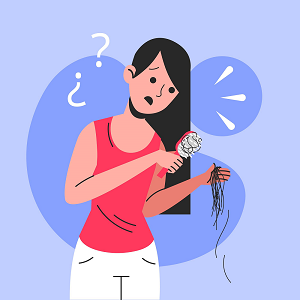
The causes of excessive hair loss are numerous, so it is recommended to perform the necessary analyses and consult a specialist doctor.
What are the necessary hair loss tests to determine the cause?
Here are some common tests required to determine the cause, including:
- Complete Blood Count (CBC): Reveals the general health of the body by ruling out any infection that may cause hair loss or diseases such as anemia.
- Ferritin and Iron Test: Measures iron storage levels in the body, as iron deficiency is a common cause of hair loss.
- Vitamin D levels test: Vitamin D deficiency is fundamentally linked to hair loss.
- Thyroid tests (TSH, T3, T4): Knowing hyperthyroidism and hypothyroidism helps determine if they are the cause of hair loss.
- Sex hormone analyses, including the following:
- Prolactin test: Scientific studies have shown a relationship between high prolactin hormone, known as "milk hormone," and hair loss, especially after childbirth in women and nursing mothers.
- Testosterone analysis: Detects dihydrotestosterone (DHT) derived from testosterone hormone.
It plays a fundamental role in the development of hereditary baldness, known as "androgenic alopecia," which weakens hair follicles and eventually causes hair loss.
- Estrogen and progesterone test: Sex hormones play an important role in hair growth and health, and as a result, any changes in their levels can cause hair weakening and loss.
What are the causes of excessive hair loss when pulled?
Tight hair tying causes "traction alopecia," which is one of the causes of excessive hair loss.
Symptoms
The symptoms are as follows:
- Scalp redness.
- Tingling or pain in the scalp.
- Itching.
- Inflammation of hair follicles.
Hair loss occurs in other areas of the scalp depending on the hairstyle, and as a result, hair follicles are damaged and cannot produce new hair.
Effective tips to prevent hair loss
Here are the most important tips for preventing hair loss:
- Avoid tying hair in a tight ponytail or bun.
- Wash hair with a medical shampoo containing natural extracts instead of harsh chemicals on the hair.
- Reduce the use of heat-styling tools.
- Focus on eating a diet rich in vitamins and minerals essential for hair health.
Frequently Asked Questions
You might be wondering about the following:
What does excessive hair loss indicate, and when is hair loss dangerous?
Excessive hair loss indicates a health problem, so it is essential to consult a specialized dermatologist immediately to identify and treat the issue.
Hair loss is dangerous when:
- It is accompanied by fatigue, weight loss, and changes in the menstrual cycle.
- Hair loss occurs in specific areas of the scalp.
- Feeling pain or itching in the scalp.
I suffer from hair loss, what is the treatment?
The specialist doctor will first ask about your medical history, then examine your scalp, to determine the causes of excessive hair loss .
Blood tests may be requested to rule out any suspected medical conditions.
A scalp biopsy may be needed to examine it under a microscope to determine the appropriate treatment for your condition.
One of the causes of excessive hair loss in girls is the use of hair care products that contain harmful chemicals for hair follicles. It is recommended to use natural hair care products that contain natural extracts, in addition to essential oils to strengthen hair. Hair loss can be due to several reasons such as hormonal changes, thyroid problems, and genetic predisposition. Stress, tension, and sleep disorders can also cause hair loss. To determine the cause of hair loss, tests such as CBC, Ferritin, and hormone tests should be performed. To prevent hair loss, it is advisable to avoid tying hair tightly and to use natural products for hair in cases accompanied by symptoms such as fatigue or pain. A doctor should be consulted immediately to determine the appropriate treatment.
Benefits of Vitamin C for Hair and Skin with Alarya
Winter Dandruff Treatment for Healthy, Supple Hair
Related Posts

Is hair conditioner harmful? Everything you need to know about the harms of conditioner

The Secret to Beautiful Hair: How to Use Hair Conditioner

The Best Conditioner for Color-Treated and Damaged Hair: The Secret to Healthy Hair

The Best Conditioner for Keratin-Treated Hair: The Secret to Smoothness and Vibrancy

The Best Hair Serums: The Secret to Smoothness and Protection

Keratin Hair Serum: The Secret to Protecting Treated Hair

Seasonal Hair Loss: Causes, Treatments, and Prevention for All Seasons
